Most homeowners don't think about rekeying until something forces the issue — a lost key, a breakup, a tenant who moved out without turning in their copy. But waiting for an emergency isn't really a plan. If you're asking how often you should rekey your locks, the honest answer depends on what's happening in your life and property, not a fixed number on a calendar.
Here's a clear breakdown of when rekeying is overdue, when it's optional, and how to build a simple schedule so you're not guessing every time.
What Rekeying Actually Means
Rekeying changes the internal pins inside your existing lock cylinder so your old keys no longer work, and a new key is cut to match. The lock hardware itself — the deadbolt, the knob, the strike plate — stays exactly where it is. It's faster and usually cheaper than replacing a lock outright, and it's the go-to move whenever you need to control who has access without tearing hardware off your doors.
The key distinction: rekeying changes who can get in, not what the lock looks or feels like. If your hardware is old, damaged, or you want to upgrade to a smart lock, that's a replacement conversation, not a rekey.
How Often Should You Rekey Your Locks?
As a general guideline, most homeowners should rekey every one to two years, or immediately after any event that puts a key outside your control. There's no strict rule — it's really about tracking who has copies of your keys and rekeying whenever that list changes or gets fuzzy.
If you've never lost a key, never had a tenant, and haven't handed out copies to contractors or pet sitters, you may be fine going longer between rekeys. But most households go through enough small changes — a new nanny, a cleaning service, a houseguest who "forgot" to give the key back — that a periodic rekey every couple of years is a reasonable baseline even without a specific trigger.
Life Events That Mean You Should Rekey Right Away
Some situations aren't optional. If any of these apply, rekeying should move to the top of your to-do list:
- You just moved into a new home. You have no idea how many copies of the previous owner's keys exist, or who has them. This is the single most important "rekey now" moment there is.
- You lost a key or had one stolen. Even if you're pretty sure it'll never surface, don't gamble on it.
- A relationship ended. Breakups, divorces, and roommate situations that go south are a leading reason people call a locksmith on short notice.
- A contractor, cleaner, or caretaker had a key. Once the job is done and you don't need them back on a schedule, rekey.
- You had a break-in or attempted break-in. Even if nothing was taken, rekeying removes any chance a key was copied during the incident.
- An employee with building access left on bad terms. This applies to small business owners just as much as homeowners.
If you manage rental property, the same logic applies every time a tenant moves out — their copy of the key doesn't disappear just because the lease ended.
Signs Your Locks Need Rekeying Even Without a Clear Trigger
Not every reason to rekey comes with an obvious event attached. Watch for these quieter signals:
- You genuinely can't remember everyone who's been given a key over the years
- You've got mismatched keys for different doors and have lost track of which does what
- A key has gone missing temporarily and then "turned up" — you don't actually know where it was
- You're selling or listing the property for rent and want a clean slate for the next occupant
- It's just been a while — two years or more since you last rekeyed and you want peace of mind
None of these are emergencies, but together they're a good argument for building rekeying into your routine home maintenance rather than treating it purely as a reaction to a crisis.
Rekeying vs. Replacing: When Rekeying Isn't Enough
Rekeying only works on locks that are in good mechanical condition. If any of the following apply, you're looking at a lock replacement instead:
- The lock is damaged, worn out, or the key sticks and turns with effort
- You want to upgrade to a smart lock, keyless entry, or a higher security grade
- The existing hardware doesn't match across doors and you want everything keyed alike
- You've had the same hardware for 15+ years and it's simply aged out
A locksmith can usually tell within a few minutes whether your locks are good rekey candidates or whether it's time to swap the hardware. If you're weighing the full-house version of this decision, it helps to understand the cost difference between rekeying and a full lock replacement before you commit either way.
What Happens During a Professional Rekey
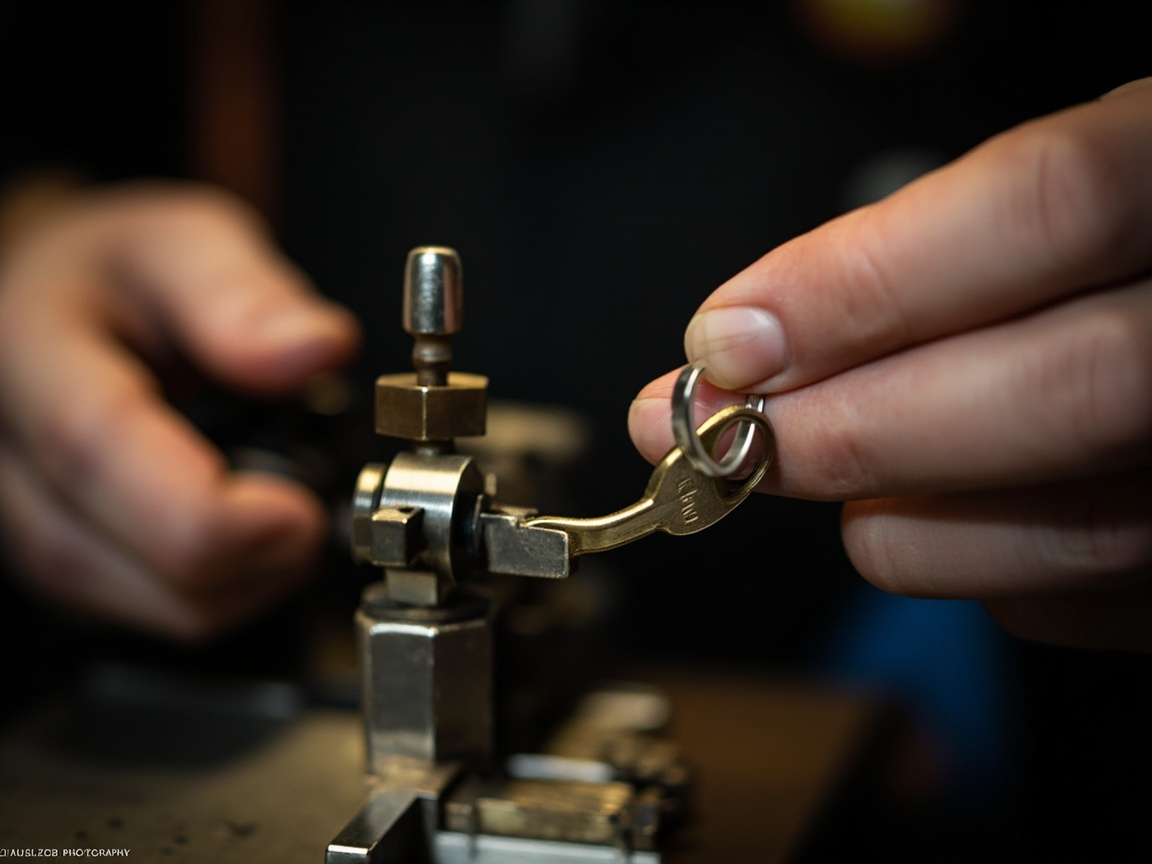
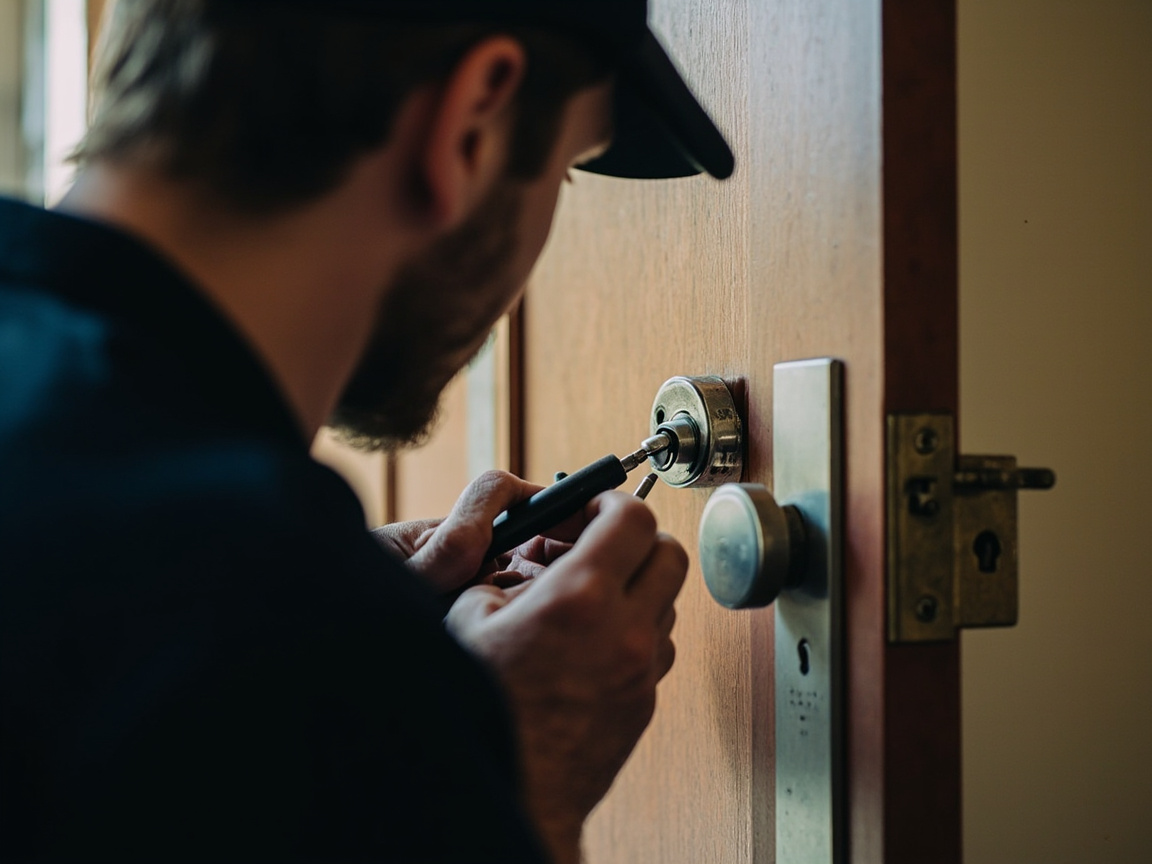
A typical rekey visit is straightforward. A locksmith removes the lock cylinder, swaps the internal pin set to match a new key, reassembles the lock, and cuts fresh keys on the spot. Multiple locks on a property — front door, back door, garage entry — can usually be rekeyed in the same visit and set up to work on one matching key, which is worth asking for if you've got a mismatched set right now.
Pricing depends on the number of locks, the hardware brand, and whether any locks need parts beyond a standard pin kit. A locksmith can give you an accurate number once they see your specific locks, so it's worth asking for a quote up front rather than guessing.
A Simple Rekeying Schedule You Can Use
If you'd rather not think about this event by event, here's a straightforward schedule to follow instead:
| Situation | Rekey Timing |
|---|---|
| Just bought or moved into a home | Immediately, before move-in if possible |
| Lost or stolen key | Same day, don't wait |
| Breakup, divorce, or roommate change | As soon as the person moves out |
| Tenant move-out (landlords) | Before the next tenant moves in |
| Contractor or service provider had a key | Once the work is finished |
| Employee with access leaves (businesses) | Same day, especially if the exit wasn't friendly |
| No specific trigger | Every 1–2 years as routine maintenance |
Keep a simple mental (or written) log of who has keys to your home. When that list gets long, confusing, or includes people who are no longer part of your life, that's your sign — not a date on the calendar.
Bottom Line
There's no universal rule that says you must rekey every six months or every five years. What matters is staying honest with yourself about who currently has access to your home or business. Every move-in, breakup, lost key, or departing tenant resets that list — and each reset is a good reason to call a locksmith.
If it's been a while since you've thought about who's holding a key to your property, that's usually the clearest sign it's time. A quick rekey is a small investment compared to the peace of mind of knowing exactly who can walk through your door.
Crown Locksmith handles rekeying for homes and businesses across Atlanta, whether you need one lock updated or want your entire property keyed alike. Reach out whenever you're ready to get a clear answer and a fast appointment.