Replacing a worn-out doorknob lock with a deadbolt — or swapping an old deadbolt for a new one — is one of the most common calls a locksmith gets. It's also one of the hardest to get a straight price on, because the honest answer is: it depends. Below is what actually drives the cost of deadbolt installation, what you should expect to pay in most situations, and where homeowners get surprised by extra fees.
What Determines Deadbolt Installation Cost
Three things move the price more than anything else: whether the door is already prepped for a deadbolt, the grade and brand of lock you choose, and whether you're hiring a locksmith versus doing it yourself.
Is the Door Already Bored for a Deadbolt?
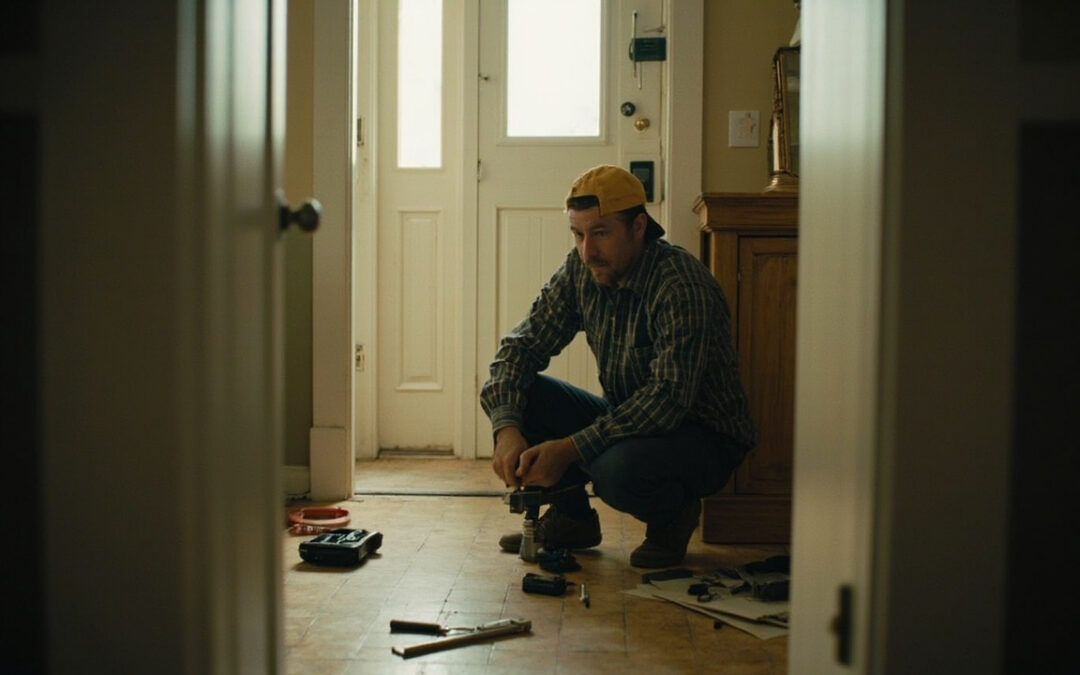
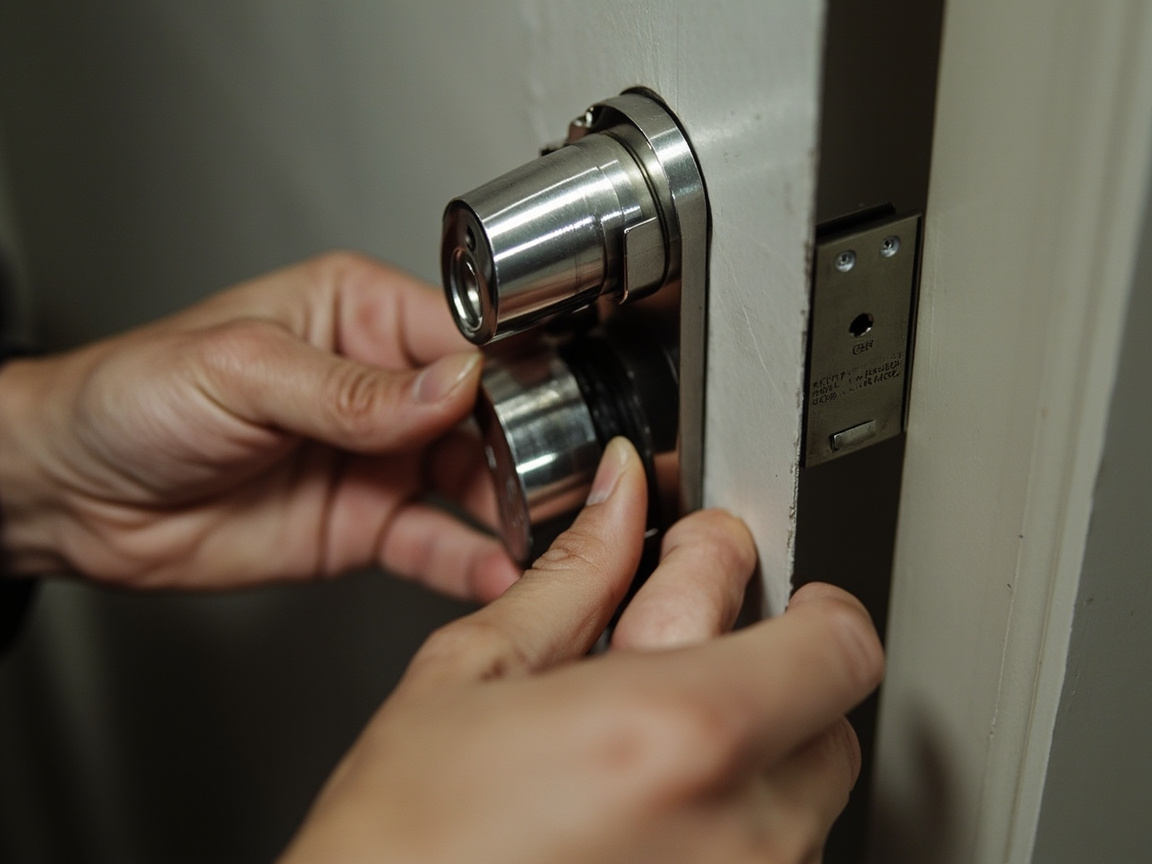
If your door already has a deadbolt hole (even if the old hardware is broken or you're just upgrading it), installation is quick — the locksmith removes the old unit and drops in the new one using the existing holes. This is the cheapest and fastest scenario.
If the door has never had a deadbolt — common on older interior-to-garage doors, some rental units, or doors that only ever had a knob lock — the locksmith has to drill and chisel a new bore and mortise for the strike plate. This "new install" takes considerably more labor time than a straight swap, which pushes the price up.
Lock Grade and Brand
Deadbolts are rated by ANSI/BHMA grade:
- Grade 3 — entry-level, lowest cost, found at most hardware stores
- Grade 2 — mid-range, better durability, common for residential use
- Grade 1 — commercial-grade strength, higher price, best for primary entry doors
Brand matters too. Big-box brands like Kwikset or basic Schlage models sit at the lower end. Higher-security or smart lock options cost more for the hardware itself, separate from labor.
Single-Cylinder vs Double-Cylinder
A single-cylinder deadbolt (turn knob on the inside, key on the outside) is the standard and easiest to install. A double-cylinder deadbolt (key required on both sides) takes more precise fitting and is sometimes restricted by local fire code on certain doors, so your locksmith may need to confirm it's allowed before installing one.
Smart and Electronic Deadbolts
Keypad, Bluetooth, and smart deadbolts generally cost more than mechanical ones, both in hardware price and installation time, because there's wiring-free but more complex setup, app pairing, and sometimes battery or hub configuration involved.
Typical Price Ranges
Here's a general breakdown of what goes into a deadbolt installation quote. Exact numbers vary by market, door condition, and the specific locksmith, so treat this as a planning guide rather than a guaranteed quote.
| Scenario | What Drives the Cost |
|---|---|
| Swap existing deadbolt (same bore) | Labor only, plus cost of new hardware — usually the fastest, least expensive job |
| New deadbolt install (no existing bore) | Extra labor for drilling/mortising, plus hardware |
| Grade 3 mechanical deadbolt | Lower hardware cost |
| Grade 1 or commercial-grade deadbolt | Higher hardware cost, often paired with reinforced strike plates |
| Smart/keypad deadbolt | Higher hardware cost and more install/setup time |
| Double-cylinder deadbolt | Slightly more labor for precise alignment |
| After-hours or emergency service call | Added trip or emergency fee on top of standard labor |
Most locksmiths charge either a flat rate per lock installed or a service call fee plus labor and parts. Ask upfront whether the quote includes the hardware or just the labor — that one question avoids most sticker-shock moments.
DIY vs. Hiring a Locksmith
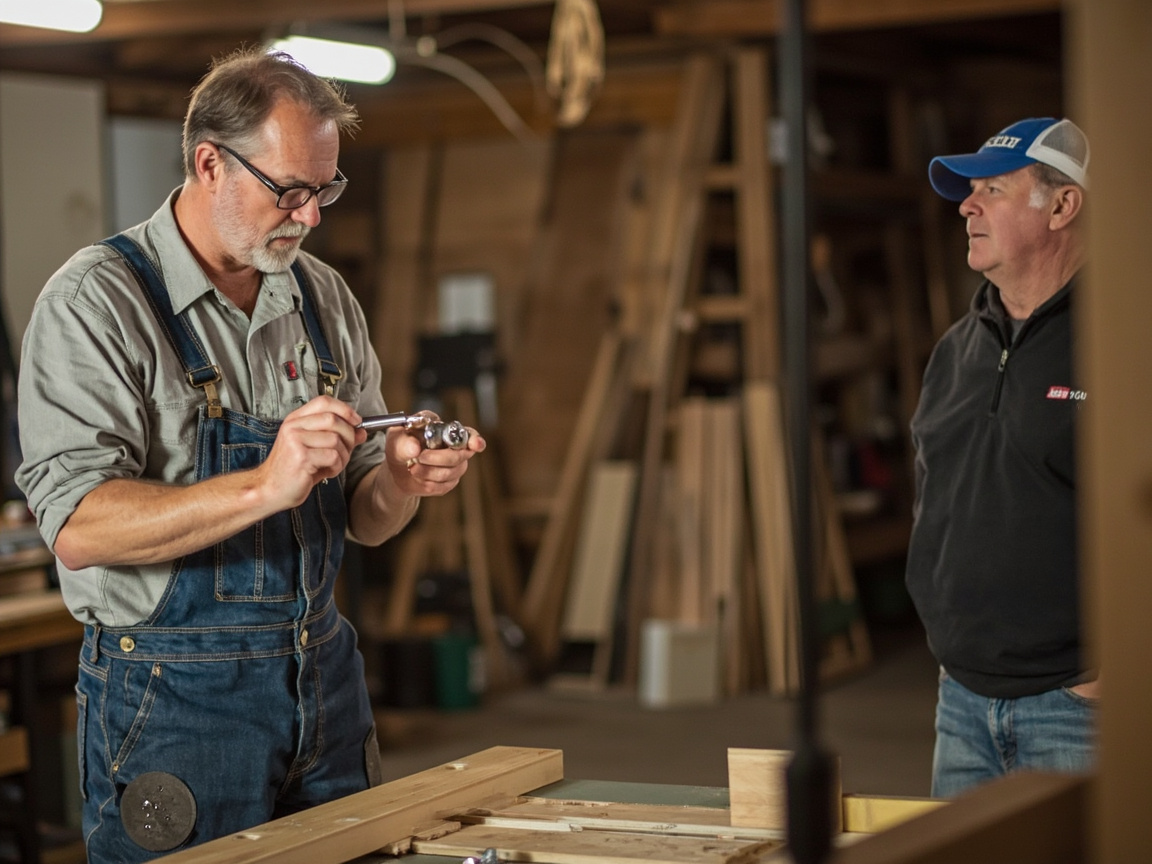
A single-cylinder deadbolt going into an existing bore is a reasonable DIY project for someone comfortable with a drill, a chisel, and a tape measure. You'll save on labor and only pay for the hardware itself.
That said, a few situations tip the scale toward calling a pro:
- No existing deadbolt hole. Drilling a new bore crooked, too high, or misaligned with the strike plate means a deadbolt that binds, doesn't fully throw, or weakens the door.
- Metal or fiberglass doors. These require different bits and more careful technique than standard wood doors.
- You want it done right the first time. A misaligned deadbolt is a security risk — it can look locked while the bolt isn't fully seated, which defeats the whole point of upgrading.
- Smart locks. App setup, code programming, and troubleshooting Bluetooth or Wi-Fi connectivity issues eat up time that a locksmith handles routinely.
If you're on the fence, a quick phone call to a locksmith for a quote often costs nothing and gives you a real number to compare against a DIY attempt.
Costs Beyond the Lock Itself
A few line items catch people off guard:
- Reinforced strike plates. If you're serious about security, a heavy-duty strike plate with 3-inch screws anchored into the door frame studs adds a modest cost but meaningfully improves resistance to kick-ins.
- Door repair. If the old deadbolt area is cracked, splintered, or the door frame is rotted, that repair work is separate from the lock installation itself.
- Rekeying to match existing keys. If you want the new deadbolt to share a key with your existing front door lock, rekeying is usually a small add-on rather than a full separate job.
- Multiple doors. Installing deadbolts on several doors in one visit is almost always cheaper per-door than scheduling separate visits.
- Emergency or same-day service. Calling after hours or needing it done immediately typically carries a premium over scheduling during normal business hours.
When It's Worth Spending More
Not every door needs top-tier hardware, but a few situations justify the upgrade:
- Primary entry doors (front door, door from garage into the house) are worth a Grade 1 or Grade 2 deadbolt with a reinforced strike plate — this is the door that gets tested most by weather, daily use, and, worst case, forced entry attempts.
- Rental properties benefit from rekeyable or code-based smart locks that let you change access between tenants without replacing hardware.
- Doors with glass panels nearby are sometimes paired with a double-cylinder deadbolt so a broken pane can't let someone reach in and turn a thumb-latch.
For secondary doors — interior doors, sheds, low-traffic side entries — a standard Grade 3 single-cylinder deadbolt is usually plenty.
Getting an Accurate Quote
Because so much depends on your specific door and lock choice, the most reliable way to know what you'll pay is to describe your situation to a locksmith directly: door material, whether there's an existing bore, and what type of lock you want installed. A quick conversation almost always gets you a firmer number than any general price chart can.
The Bottom Line
Deadbolt installation cost comes down to labor (simple swap vs. new bore), hardware grade, and any extras like reinforced strike plates or smart lock setup. Swapping an existing deadbolt is the most budget-friendly route; drilling a brand-new bore, upgrading to commercial-grade hardware, or adding smart features will push the price higher.
If you're weighing whether to tackle it yourself or want a real quote based on your door and the lock you have in mind, Crown Locksmith can walk you through the options and get it installed correctly the first time.