

Filing Cabinet Lock Repair: Why It Jams, Sticks, or Won't Turn (and What to Do About It)
A filing cabinet lock doesn't seem like a big deal until the day it won't turn and you're staring at a drawer full of tax records, client files, or HR paperwork you need in the next ten minutes. Filing cabinet locks take a lot of abuse for such a small mechanism — they get yanked, overstuffed, bumped by chair wheels, and ignored for years at a time. Eventually something gives.
The good news: most filing cabinet lock problems have a clear cause, and a surprising number can be diagnosed (if not always fixed) without calling anyone. This guide walks through what usually goes wrong, what you can try yourself, and when it's time to bring in a locksmith instead of fighting the drawer with a butter knife.
Why Filing Cabinet Locks Fail in the First Place
Filing cabinet locks are small, low-cost mechanisms compared to door locks, which means they wear out faster and tolerate less abuse. The most common culprits:
- Dirt and dust buildup — Office and storage environments collect grime, and filing cabinets rarely get cleaned inside the lock cylinder. Over years, dust mixes with old lubricant and turns into a paste that gums up the pins.
- Worn or bent keys — A key that's been copied several times, dropped, or bent slightly can still fit the lock but no longer turn it cleanly, which accelerates wear on the cylinder itself.
- Cabinet overstuffing — When drawers are packed too tight, the frame flexes slightly and puts side pressure on the locking bar, making the lock harder to turn even when it's mechanically fine.
- Cheap original hardware — Many office-grade filing cabinets ship with basic disc-tumbler locks that aren't built for heavy daily use. They're fine for light security but wear out faster than pin-tumbler locks.
- Rust and humidity — Cabinets stored in garages, basements, or un-climate-controlled storage rooms are especially prone to internal rust, which seizes the mechanism.
- Snapped or broken keys — A weak or brittle key left in the lock too long, combined with a stiff mechanism, can snap off inside the cylinder — one of the most common reasons people call a locksmith for this exact issue.
DIY Troubleshooting You Can Try First
Before assuming the lock is dead, it's worth ruling out the easy stuff. These steps are low-risk and take a few minutes:
- Check the key itself. Try a spare key if you have one. If the spare works fine, the problem is your primary key, not the lock.
- Clean the keyhole. A short burst of compressed air can clear out loose dust and debris before you try anything else.
- Use a dry lubricant, not oil-based spray. Graphite powder or a dry PTFE lock lubricant is the right choice here. WD-40 and similar oil-based sprays actually attract more dust over time and can gum things up worse in the long run.
- Relieve pressure on the drawer. If the cabinet is overstuffed, remove some files and try the lock again. Sometimes the lock is fine — it's the frame that's binding.
- Wiggle gently, don't force. If the key goes in but won't turn, apply light pressure while working the key in and out rather than cranking hard. Forcing a stuck lock is the fastest way to snap a key inside it.
If none of that works, or the key already snapped off, it's time to stop troubleshooting and get a professional opinion — continuing to force it usually turns a simple fix into a more expensive one.
Repair vs. Replacement: How to Decide
Not every bad filing cabinet lock needs a brand-new mechanism. A locksmith will generally look at a few things to decide which route makes more sense:
Repair usually makes sense when:
- The cylinder itself is intact but gummed up or slightly worn
- The cabinet is a quality piece of furniture worth keeping
- You just need the lock rekeyed to work with a new key (common after losing a key or moving into a space with old furniture)
- A broken key is stuck inside but the mechanism underneath is otherwise fine
Replacement usually makes sense when:
- The lock housing is cracked, bent, or rusted through
- It's an older cabinet with a discontinued lock style that's hard to source parts for
- The cabinet uses a very basic disc-tumbler lock that offers minimal security for sensitive files
- You want to upgrade to a lock that can be keyed alike with other cabinets in the office for convenience
For businesses managing employee records, client files, or anything with compliance implications, this is also a good moment to ask about upgrading to a more secure cam lock or a cabinet-specific high-security cylinder — not just restoring what was there before.
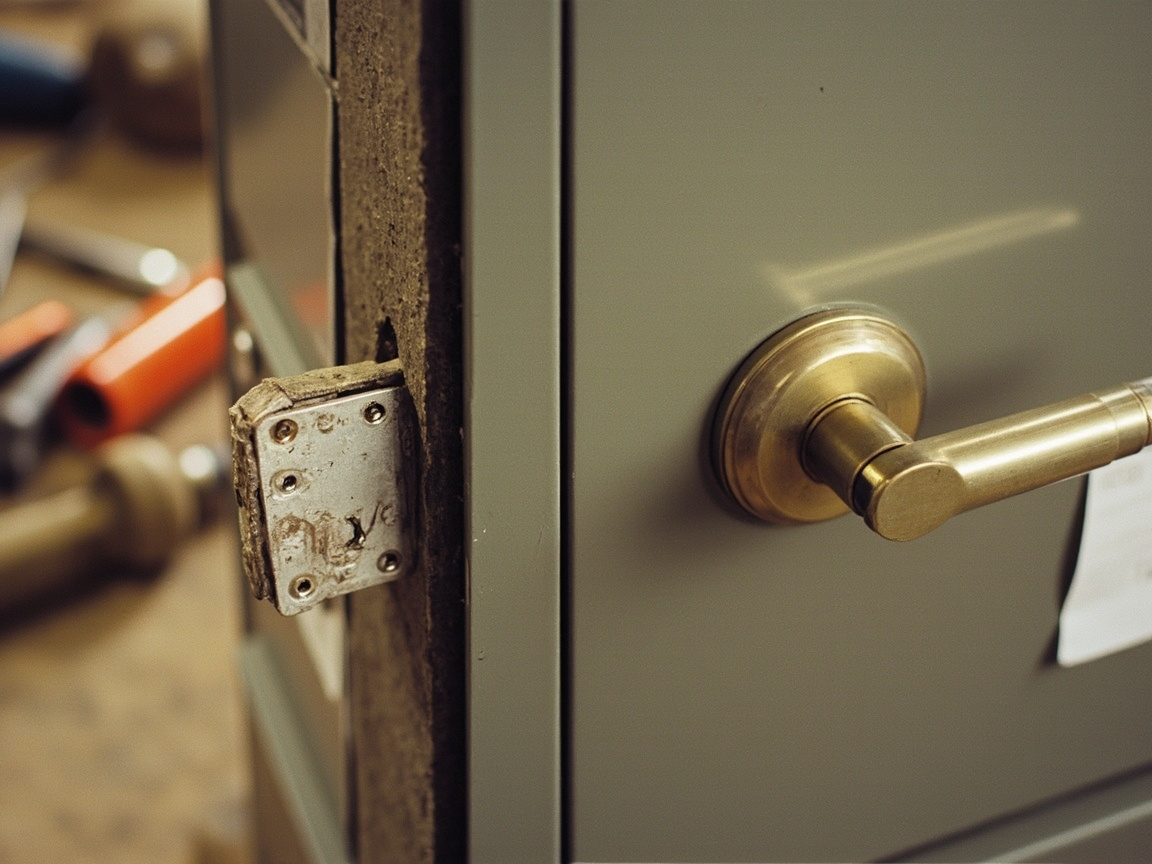
Types of Filing Cabinet Locks You'll Run Into
Knowing what kind of lock you have helps set expectations for repair:
- Disc-tumbler (wafer) locks — The most common type on standard two- and four-drawer office cabinets. Inexpensive, easy to rekey, but offer lower security.
- Pin-tumbler cam locks — More durable and more pick-resistant, often found on better-quality cabinets or ones upgraded after the fact.
- Bar locks (central locking) — A single lock controls a bar that locks every drawer in the cabinet at once. Common on lateral filing cabinets. If this type fails, every drawer is affected, not just one.
- Electronic or keypad locks — Less common on older furniture but increasingly used on cabinets storing sensitive records in medical, legal, or HR settings.
Bar-lock systems are worth mentioning specifically because a failure here is usually more urgent — if the central lock seizes, the entire cabinet can become inaccessible, not just one drawer.
When to Call a Locksmith
A few situations call for a professional rather than another round of DIY troubleshooting:
- A key has broken off inside the lock
- The lock turns but the locking bar doesn't engage or release properly
- You've lost all keys and need the cabinet opened without damaging it
- The cabinet holds sensitive records and you want it rekeyed for security, not just functionality
- You've tried cleaning and lubricating and it still won't turn
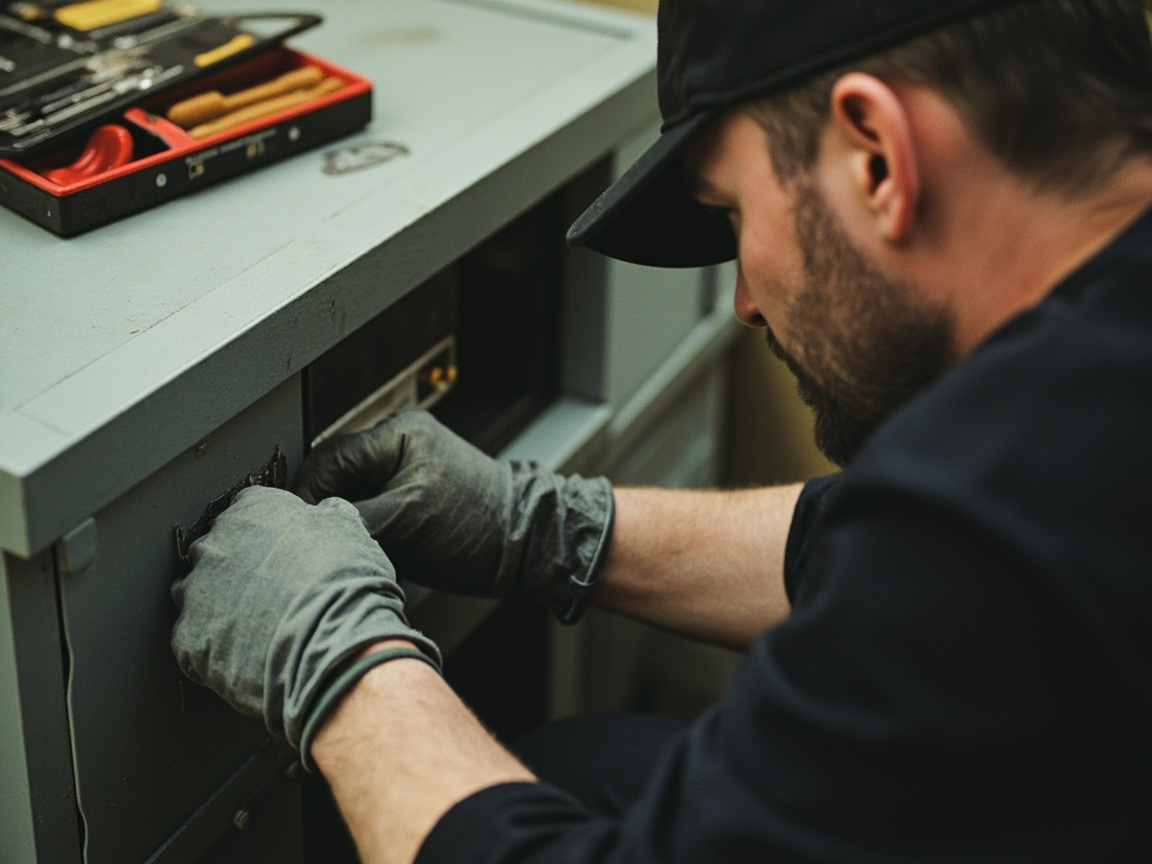
A locksmith experienced with office furniture can usually extract a broken key, clean or rebuild the cylinder, or rekey the lock to a new key — all without drilling through the cabinet or damaging the drawer front, which is the risk when this gets handled with generic hardware-store tools.
A Quick Reference Checklist
| Symptom | Likely Cause | First Step |
|---|---|---|
| Key goes in but won't turn | Dirt buildup or worn key | Clean + dry lubricant, try spare key |
| Key snapped off inside | Forced a stuck lock | Stop — call a locksmith for extraction |
| Lock turns but drawer stays locked | Bent locking bar or frame pressure | Remove files, check for overstuffing |
| Entire cabinet locked, one lock controls all drawers | Central bar lock failure | Call a locksmith — DIY risk is higher |
| Lock is loose or wobbly in the housing | Worn or damaged cylinder | Repair or replace, depending on cabinet value |
Keep this handy next time a drawer won't budge — it'll help you describe the problem accurately whether you're troubleshooting yourself or calling for help.
Getting It Fixed in Atlanta
Filing cabinet locks are small, but for homes and businesses storing anything important, they're worth taking seriously. Whether it's a snapped key, a seized bar lock, or a cabinet you want rekeyed for security reasons, Crown Locksmith works on this kind of hardware regularly across Atlanta — for offices rekeying cabinets after staff turnover, homeowners dealing with an old file cabinet in storage, and property managers maintaining shared equipment.
If your filing cabinet lock has stopped cooperating, it's usually a faster and cheaper fix than people expect — but it's worth getting a second opinion before resorting to drilling or replacing the whole cabinet. Reach out to Crown Locksmith and describe what's happening, and we can walk you through whether it's a quick repair, a rekey, or something that needs a closer look in person.