Few things are more frustrating than heading out to the garage, reaching for the lock, and realizing it won't budge — or won't engage at all. A garage door lock that's not working isn't just inconvenient; it can leave your home, car, or stored tools exposed. The good news is that most garage door lock problems come down to a handful of predictable causes, and several of them you can troubleshoot yourself before calling in a professional.
This guide walks through why garage door locks fail, how to manually lock or unlock a stuck door, what's different about LiftMaster and Chamberlain systems, and when it's time to bring in a locksmith instead of fighting with it yourself.
Why Your Garage Door Lock Might Not Be Working
Garage door locks typically fail for one of five reasons: the slide bolts are misaligned with the frame holes, the internal rods connecting the handle to the bolts have slipped or disconnected, rust or dirt is jamming the mechanism, the door itself has shifted on its track, or (for opener-equipped doors) the electronic lock function is confused with the physical lock.
Most residential garage doors use one of two locking setups:
- A manual T-handle with slide bolts. Turning the handle pushes metal rods outward on each side of the door, sliding bolts into holes drilled in the door track or frame. If the door has sagged, warped, or shifted even slightly out of square, those bolts no longer line up with their holes — and the lock simply won't catch.
- A keyed deadbolt or cylinder lock, often mounted near the handle, that locks the slide bolts in place once they're engaged.
Over time, the connecting rods that run behind the door panel can come loose from their mounting clips, especially after a hard bump or years of use. When that happens, turning the handle moves nothing — the bolts just sit there. Rust and built-up grime have the same effect: they add enough resistance that the thin metal rods bind up instead of sliding smoothly.
LiftMaster and Chamberlain Garage Door Lock Issues
If your door is run by a LiftMaster or Chamberlain opener, it's worth knowing these two things usually aren't locking the same mechanism. Chamberlain Group makes both brands, and most of their opener systems include a separate "vacation lock" or lock button on the wall console or keypad. That setting disables remote and keypad entry — it does not physically engage the slide bolts on the door itself.
So if someone says "my LiftMaster garage door lock isn't working," the real question is usually one of two things:
- The vacation lock button on the wall console isn't disabling keypad/remote access the way it should (often a programming or button-contact issue), or
- The physical slide-bolt lock on the door panel — completely separate from the opener — is the part that's stuck or misaligned.
Treating these as the same problem is a common mix-up, and it's why troubleshooting the wrong one rarely fixes anything.
What Can I Do If My Garage Door Won't Lock?
Start by checking whether the slide bolts actually line up with their holes in the track or frame — most lock failures come from misalignment, not a broken mechanism. If the bolts line up but don't move, the problem is likely a disconnected internal rod or rust buildup along the slide path.
Here's a practical order to work through it:
- Close the door fully and look at where the slide bolts meet the frame. If there's a visible gap or the bolts sit even slightly off-center from the holes, the door has shifted and needs adjustment before the lock will ever catch.
- Try lifting or gently pressing the door while turning the handle. Minor track misalignment sometimes just needs a nudge to let the bolts seat.
- Open the interior access panel (if your door has one) and inspect the horizontal rods connecting the T-handle to the side bolts. Look for a rod that's slipped out of its guide clip or come loose at the connection point.
- Clean and lubricate the slide bolts and rod channels with a light lock lubricant — not household oil, which attracts dust and gums up over time.
- Check the strike holes in the track for rust or debris blocking the bolt from fully extending.
If none of that resolves it, the lock hardware itself may be worn out or bent, which usually means replacement rather than adjustment.
My Garage Door Lock Is Broken. How Can I Open It?
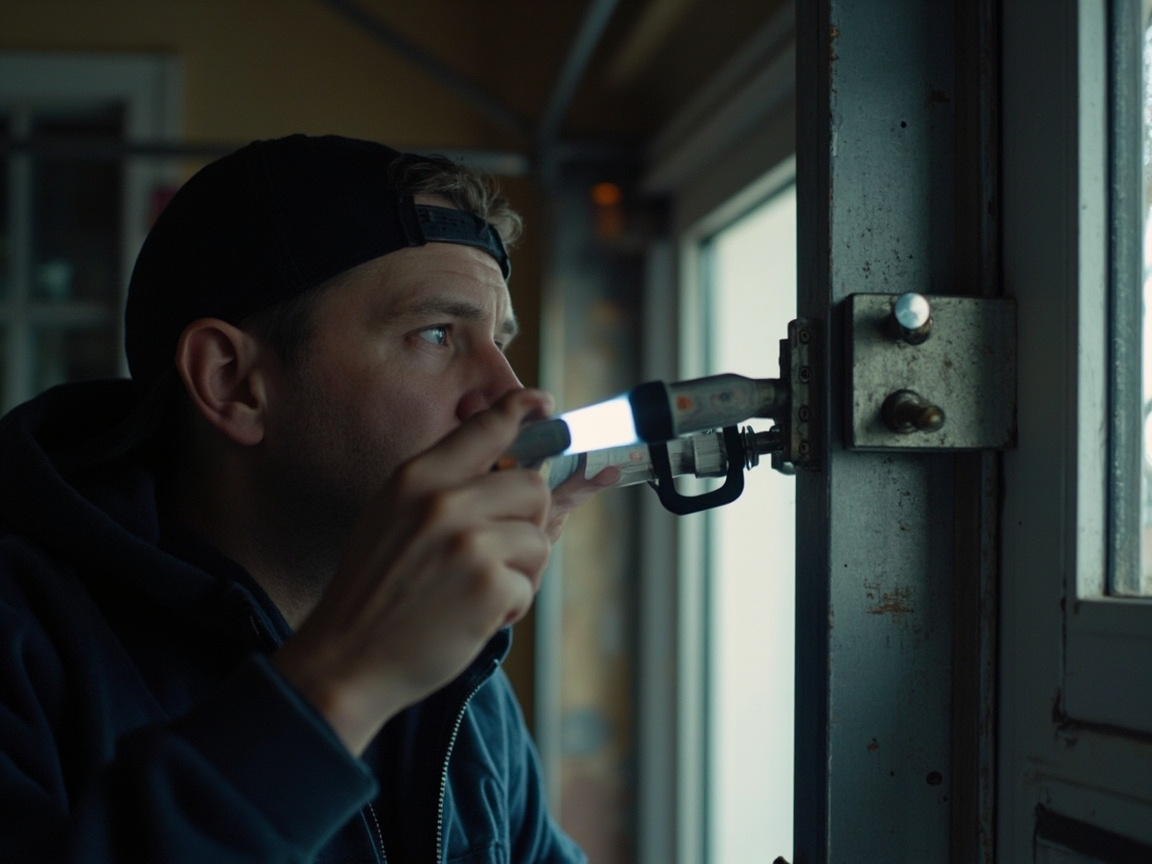
If the lock mechanism itself is broken — not just misaligned — you'll typically need to access the internal rods directly or remove the lock assembly to free the bolts manually. In some cases, a locksmith can extract or bypass the lock without damaging the door panel.
A "broken" lock usually falls into one of these categories:
- Snapped or bent rod: The metal connecting rod has physically broken or bent to the point it can't transfer motion from the handle to the bolts. This typically requires removing the interior panel cover and replacing the rod.
- Stripped or jammed cylinder: If the keyed lock cylinder is worn out, the key may turn without ever retracting the bolts. This is a common failure point on older or weather-exposed doors.
- Bolts stuck mid-travel: Sometimes the slide bolts are partially extended and physically wedged in the track, which can happen after rust sets in or the track gets bent.
If you can see the mechanism is broken but the door isn't otherwise locked shut (meaning you can still lift or open it), you may be able to operate the door without the lock engaged until it's repaired — just know the garage won't be secured until it's fixed. If the bolts are stuck in the locked position and you're genuinely shut out, that's a situation where forcing it risks damaging the door panel, and calling a professional for lock repair versus a DIY fix is usually the safer move.
My Garage Door Lock Pad Isn't Working. What Can I Do to Fix It?
If you're referring to the keypad entry pad mounted outside the garage (used with most opener systems), the most common fixes are replacing the battery, re-syncing the code with the opener, and checking for a damaged weather cover or water intrusion. These pads run on their own small battery and lose connection more often than people expect.
Work through these steps in order:
- Replace the battery. Keypad entry pads are usually powered by a small lithium or alkaline battery that can die without obvious warning signs — the backlight (if present) may still glow even when the battery is too weak to transmit a signal.
- Re-enter or reprogram the code. If the keypad was recently replaced, moved, or exposed to a power surge on the opener unit, the stored code may have been wiped. Most openers have a "learn" or program button on the motor unit used to pair a new or existing keypad.
- Check for weather damage. Keypads mounted outside take direct sun, rain, and temperature swings. A cracked housing or water inside the unit can corrode the contacts even if the buttons still physically press.
- Confirm the opener itself is receiving signal. If the keypad seems fine but nothing happens, test a remote or the wall console to rule out a problem with the opener's receiver rather than the pad.
If you've gone through all of that and the pad still isn't communicating, the keypad unit itself may need replacement — these aren't typically repairable once the internal electronics fail.
Is There a Way to Manually Lock a Garage Door?
Yes — most garage doors have a manual locking mechanism built in, separate from any electric opener. It's the T-handle and slide-bolt system described above: turning the handle by hand extends metal bolts into the door track, physically preventing the door from lifting, with or without an opener attached.
This manual lock is worth using even if you have an automatic opener, because openers can be bypassed in ways a solid slide bolt can't. Here's how the manual locking mechanism typically works:
- The T-handle sits on the inside (and sometimes outside) of the door, usually centered.
- Turning it rotates a cam that pushes horizontal rods outward on both sides.
- Those rods end in slide bolts that extend into pre-drilled holes along the door track.
- A keyed cylinder (on exterior-accessible handles) lets you lock the handle itself in the closed position so it can't be turned from outside without a key.
If your door doesn't have a working manual lock currently, it can usually be added or restored by a locksmith, since the hardware is a standard add-on for most residential garage door tracks.
How to Open a Locked Garage Door Manually From Outside
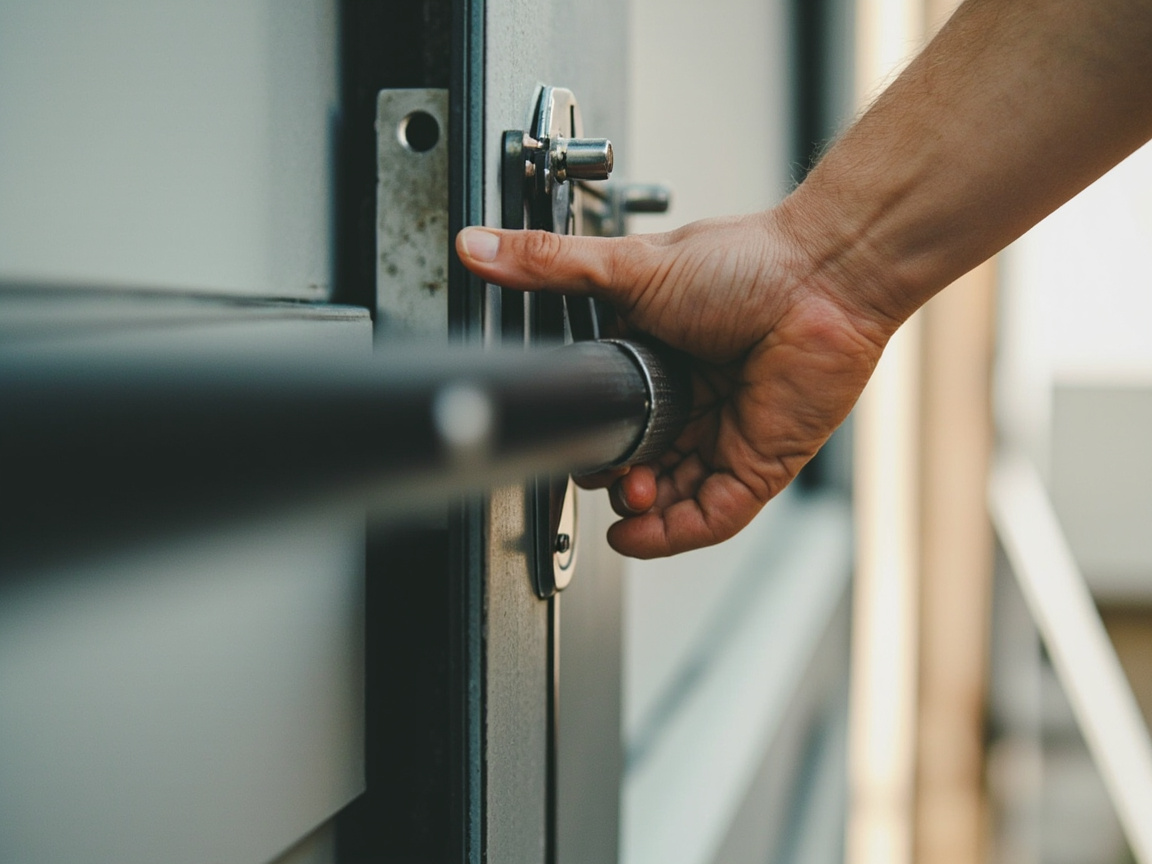
If the door is locked with the manual slide-bolt mechanism and you don't have the key, there's no reliable way to open it from outside without specialized tools — forcing it risks bending the track or the bolts themselves. If the issue is instead a power outage with the opener engaged (not the manual lock), most doors have an outside quick-release feature you can use with a key.
A few distinct scenarios fall under "garage door not opening from outside," and the fix depends on which one you're dealing with:
- Manual lock engaged, no key available. This is a genuine lockout. The slide bolts are physically holding the door shut, and without the key or the correct tool to retract them, your best option is a professional who can manipulate or bypass the lock without damaging the door.
- Opener engaged, power is out. Many garage doors include an exterior emergency release — a small lock cylinder near the top of the door that, when turned with a key, pulls a cable to disconnect the door from the opener carriage. This lets you lift the door manually even without power, assuming the manual slide-bolt lock isn't also engaged.
- Door is stuck but not locked. Sometimes what feels like a lock failure is actually a track obstruction, a broken spring, or a bent panel. If the door won't move at all — not even slightly — and you're sure it isn't locked, that's usually a door mechanism issue rather than a lock issue, and it calls for a garage door technician rather than a locksmith.
If you're not sure which situation you're in, that uncertainty alone is a good reason to call for help rather than force anything.
Garage Door Lock Not Working With a Key
When a key turns in a garage door lock but nothing happens — the bolts don't move — the cylinder itself has likely separated from the mechanism that drives the slide bolts. This is different from a key that won't turn at all, which usually points to a worn or damaged cylinder.
Break it down by symptom:
- Key won't turn (sticks or feels gritty): Often a dirty or worn cylinder. Light lock lubricant can sometimes help, but a cylinder that's been sticking for a while may need replacement before it fails completely.
- Key turns freely but does nothing: The internal connection between the cylinder and the slide-bolt rods has likely come apart. This typically requires opening the interior access panel to reconnect or replace the linkage.
- Key turns partway and jams: This can mean the bolts are already partially engaged or obstructed, and forcing the key further risks snapping it off inside the cylinder.
A snapped key inside a garage door lock is a common reason homeowners end up calling a locksmith rather than continuing to troubleshoot — once a key breaks off in the cylinder, the lock usually needs to be drilled out or replaced rather than repaired in place.
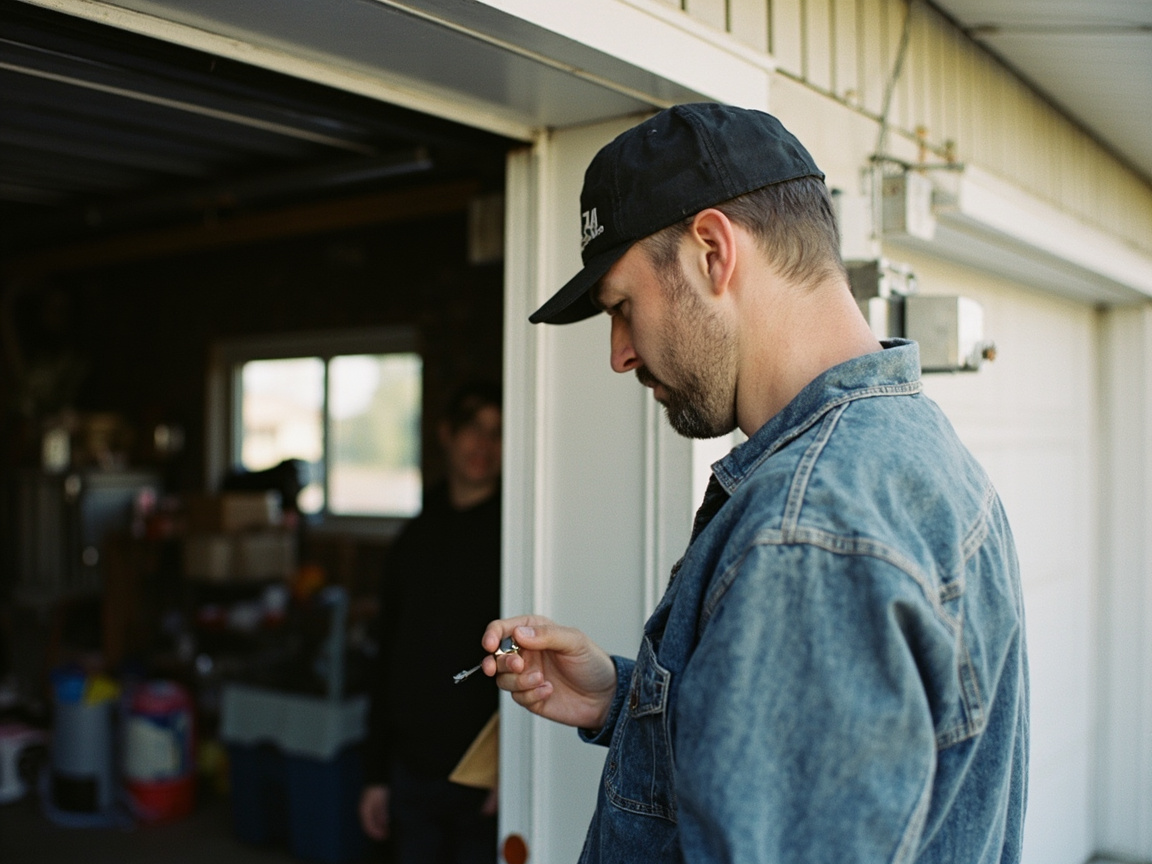
When to Call a Professional Locksmith
Garage door locks are mechanically simple, which means a lot of issues are fixable with basic tools, patience, and the steps above. But there are a few situations where calling a professional makes more sense than continuing to work on it yourself:
- The key has broken off inside the lock cylinder
- You're locked out with the manual slide-bolt engaged and no spare key
- The internal rods or linkage have broken rather than simply disconnected
- You've tried realignment and lubrication and the bolts still won't engage
- You're not confident removing the interior access panel without damaging the door
If you're weighing whether this is a job you can handle yourself, it helps to think through when lock repair is worth doing yourself versus calling a locksmith before you start taking the door apart. And if the lock has failed in a way that's left you fully shut out — say, hypothetically, you're standing in the driveway at night with the manual lock engaged and no key in hand — it's worth understanding what to expect during an emergency locksmith visit so you know what the process looks like before you call.
Crown Locksmith works on residential, automotive, and commercial lock issues throughout Atlanta and the surrounding communities — including Brookhaven, Chamblee, Tucker, Norcross, Dunwoody, Smyrna, Decatur, Stone Mountain, Stockbridge, and Jonesboro — and garage door locks fall squarely within that residential lock work.
Preventing Future Lock Problems
A little routine maintenance goes a long way toward keeping a garage door lock from failing again. Lubricating the slide bolts and rod channels every few months, checking the track alignment after any hard impact to the door, and keeping the keyed cylinder clean are simple habits that catch small problems before they turn into full lockouts.
For a broader rundown of what that upkeep should look like across all the locks in your home — not just the garage — these lock maintenance tips to help your hardware last cover the basics worth building into a seasonal routine.
The Bottom Line
A garage door lock that's not working is almost always one of a few known issues: misalignment, a disconnected rod, rust, a worn cylinder, or confusion between the opener's electronic lock function and the door's physical slide-bolt lock. Most of these are diagnosable in a few minutes just by watching what happens — or doesn't happen — when you turn the handle or key.
If you've worked through the troubleshooting above and the lock still isn't cooperating, or you're dealing with a broken key, a jammed bolt, or a full lockout, Crown Locksmith can take a look and get the door secured properly again.