Ignition Switch Repair vs Replacement: Which One Actually Fixes the Problem
Your key turns but nothing happens. Or it sticks halfway. Or your dash lights flicker every time you hit a pothole. Whatever the symptom, it usually traces back to the same part: the ignition switch. And the question that follows is almost always the same one — do you repair it, or replace it outright?
The honest answer depends on what's actually failing inside the switch, how old your vehicle is, and whether the issue is mechanical (the key won't turn) or electrical (the car won't start even though the key turns fine). Below, we break down what each option actually involves, what tends to hold up over time, and where a locksmith fits into the picture versus a mechanic.
What's Actually Going Wrong With Your Ignition Switch
An ignition switch does two jobs: it mechanically turns the tumbler that unlocks the steering column and starts the engine, and it sends an electrical signal to the car's computer to confirm the correct key is present. When people say their "ignition switch is bad," they're usually describing one of these symptoms:
- Key turns but the car doesn't start or crank
- Key won't turn at all, or turns with excessive resistance
- Dashboard lights flicker or accessories cut out while driving
- Car randomly stalls while the key is still in the "on" position
- Key gets stuck in the ignition and won't release
Some of these point to a worn mechanical cylinder (the part the key physically turns). Others point to failing electrical contacts behind the cylinder. That distinction matters a lot when you're deciding between repair and replacement, because the two failure types don't respond the same way to a quick fix. If your key is physically stuck and won't come out, that's a separate — and often simpler — problem; our guide on what to do when a car key is stuck in the ignition covers that scenario specifically.
Ignition Switch Repair: What It Involves
Repairing an ignition switch typically means cleaning corroded electrical contacts, straightening bent metal tabs inside the housing, resoldering a loose wire connection, or lubricating a sticky tumbler mechanism. It's a lower-cost, shorter-term fix that works best when the switch's underlying components still have usable life left in them.
What a repair can fix:
- Dirt, dust, or corrosion causing intermittent electrical contact
- A tumbler that's stiff from lack of lubrication, not actual wear
- A loose wire or connector behind the switch housing
- Minor mechanical binding that doesn't involve worn-out internal parts
Where repair falls short:
The plastic and metal components inside most ignition switches are not designed to be serviced repeatedly. Once the internal contacts have worn down from years of key cycles, cleaning them buys time rather than solving the problem. Many drivers who attempt a repair find the same symptom returns within weeks or months, because the underlying wear is still there — it was just masked temporarily.
Repair tends to make the most sense when:
- The vehicle is older or a classic, and you want to preserve the original lock cylinder and matching keys
- The symptom is new, mild, and clearly tied to dirt or a loose connection rather than wear
- You're trying to get a temporary fix to make it to a scheduled appointment

Ignition Switch Replacement: What It Involves
Replacing an ignition switch means removing the entire assembly — the electrical switch, and in many cases the lock cylinder it's paired with — and installing a new or remanufactured unit. This resets the component back to a known-good state rather than trying to extend the life of worn parts.
What replacement solves:
- Chronic or recurring "no-start" symptoms tied to worn internal contacts
- A tumbler that's worn smooth and no longer grips the key properly
- Persistent electrical gremlins (flickering lights, random stalling) that keep coming back after cleaning
- Situations where the key is damaged, badly worn, or doesn't match the ignition anymore
The tradeoff: replacement costs more upfront than a cleaning or contact repair, and depending on your vehicle, it may also require reprogramming the new switch or the key to "talk" to the car's security system (more on that below). But it addresses the root cause instead of the symptom, which is why most experienced automotive technicians recommend replacement once a switch has shown real electrical or mechanical wear — not just dirt.
If your original key no longer works reliably with the system, or you've lost it entirely, it's worth reading about how a transponder key replacement actually works alongside any ignition work, since the two are often handled in the same visit.
Is It Expensive to Fix an Ignition Switch?
Cost varies widely based on your vehicle's make and model, whether the lock cylinder needs replacing along with the switch, and whether reprogramming is required — so there's no single number that applies across the board. In general, a basic contact cleaning costs less than a full switch replacement, but replacement typically lasts longer and prevents repeat visits.
A few things that push the price up or down on either path:
- Labor access: some ignition switches sit behind the steering column and airbag components, which takes longer to disassemble than a switch mounted in an easy-to-reach spot
- Parts sourcing: OEM switches generally cost more than aftermarket or remanufactured units
- Reprogramming needs: vehicles with transponder or chip-key security systems add a programming step that a simple mechanical repair doesn't require
- Whether the lock cylinder is replaced too: sometimes the switch and cylinder are sold and serviced as one assembly, other times separately
Because pricing depends so much on your specific vehicle and the shop doing the work, the most reliable way to know what you're looking at is to get a direct quote after a diagnosis rather than relying on a ballpark figure found online.
How to Fix a Bad Ignition Switch Without Replacing It
A bad ignition switch can sometimes be fixed without full replacement if the problem is corrosion, a loose connection, or a dry tumbler rather than worn internal contacts. Cleaning the contacts with an electrical contact cleaner, re-securing wiring connectors, and lubricating the cylinder are the most common non-replacement fixes.
Here's the general approach a technician takes when attempting a repair first:
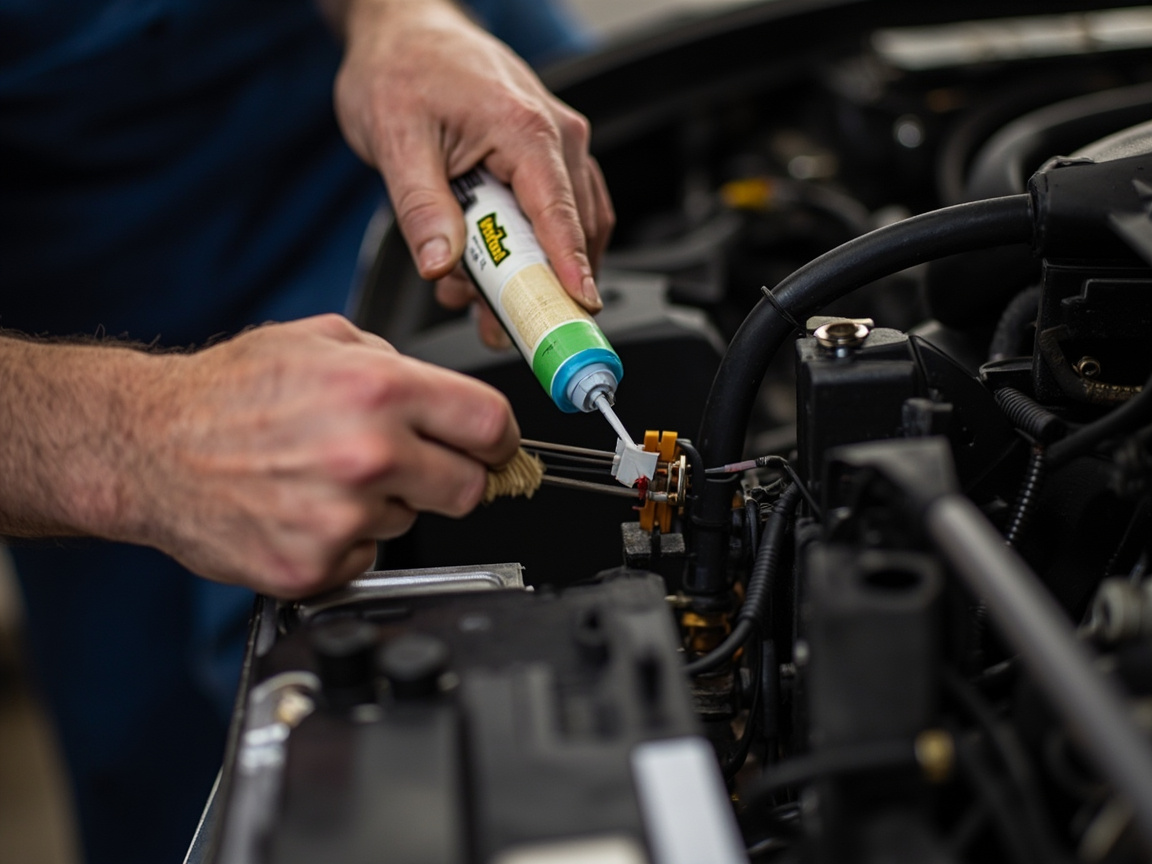
- Diagnose before touching anything. A multimeter check on the switch's electrical contacts tells you whether the issue is mechanical (tumbler) or electrical (contacts/wiring) — guessing wastes time and can make things worse.
- Clean, don't force. Electrical contact cleaner applied to the switch's internal contacts resolves a surprising number of intermittent no-start issues caused by corrosion or dust buildup.
- Check the wiring harness behind the switch. Loose or corroded connectors are a common, easily fixable culprit that gets mistaken for a "dead switch."
- Lubricate the tumbler with a product made for locks, not household oil, which attracts more dirt over time.
- Test thoroughly before calling it fixed. Cycle the key several times, start the car multiple times, and check for the symptom to return before assuming the repair held.
The honest caveat: this approach is a legitimate first step, but it's not a permanent guarantee. If the symptoms return shortly after a cleaning or lubrication attempt, that's usually a sign the internal components have genuine wear and replacement is the next step rather than another round of cleaning.
Does a New Ignition Switch Need to Be Reprogrammed?
In most modern vehicles, yes — a new ignition switch or lock cylinder often needs to be synced with the car's immobilizer system so it recognizes your key's transponder chip. Older vehicles without electronic anti-theft systems typically don't require this step, since their ignition is purely mechanical.
Here's why this matters: since the mid-1990s, most manufacturers have built anti-theft immobilizer systems into their vehicles. These systems pair a chip inside your key with a receiver near the ignition, and the car won't start unless the two match. When you replace the ignition switch — or sometimes just the key — that pairing has to be re-established through a programming procedure specific to your vehicle's make and model.
This is also where DIY repair and replacement get trickier than they look. Even if you successfully swap the physical switch yourself, a mismatched or unprogrammed key will leave you with a car that turns over but won't start. If you're unsure whether your vehicle needs this step, our breakdown of how key fob programming to the ignition actually works walks through the different methods used across vehicle types.
Ignition Switch Repair vs Replacement on a Chevy
Chevrolet ignition switches have gotten more public attention than most, thanks to a well-publicized ignition switch issue affecting certain GM models in the 2000s and 2010s that led to a widespread recall. If you own an affected older Chevy, it's worth checking whether your specific model and year was part of that recall before paying for a repair or replacement out of pocket — recall work is typically handled differently than standard wear-and-tear repair.
Outside of recall-specific units, Chevy ignition switches wear through the same mechanical and electrical failure patterns as other brands: the tumbler loosens with age, and the electrical contacts degrade with repeated key cycles. On most newer Chevy models, replacement switches require programming to the vehicle's security system, similar to other modern vehicles. If you're dealing with an older Chevy without electronic immobilizer tech, a mechanical repair (cleaning, lubrication, tumbler adjustment) is more likely to be a viable short-term option — but the same wear logic applies: once the tumbler or contacts are genuinely worn, replacement holds up better long-term.
When to Call a Locksmith vs a Mechanic
Ignition switch problems sit in a gray area between automotive electrical work and lock mechanism work, which is why the right professional depends on what's actually wrong:
- Call a locksmith when: the key won't turn, is stuck, is worn or damaged, or you need a replacement key cut and programmed alongside the switch work
- Call a mechanic when: the issue is clearly electrical — flickering dash lights, stalling, no-crank with a healthy battery — and unrelated to the physical key or tumbler
In practice, many ignition switch jobs blend both skill sets, especially when a worn tumbler and a failing electrical contact show up at the same time. A locksmith with automotive experience can typically handle the lock cylinder, key cutting, and transponder programming in one visit, which often saves a trip compared to splitting the job between a dealership and a separate mechanic.
The Bottom Line
If your ignition switch symptom is new, mild, and clearly tied to dirt or a loose wire, a repair is a reasonable first move — it's cheaper and sometimes all you need. But once a switch shows genuine mechanical wear or the electrical contacts have degraded, replacement is the more reliable long-term fix, even with the added cost of a new part and possible reprogramming.
If you're not sure which category your car falls into, a proper diagnosis is worth more than guessing — especially with newer vehicles where a mismatched key and immobilizer system can leave you stranded even after the physical repair is done. Crown Locksmith serves drivers throughout Atlanta, Brookhaven, Chamblee, Tucker, Norcross, Dunwoody, Smyrna, Decatur, Stone Mountain, Stockbridge, and Jonesboro, and can walk you through whether your ignition situation calls for a repair, a full replacement, or a key programmed to match.