HOA Gated Community Access System Repair: What Boards and Property Managers Need to Know
When the gate at your HOA won't open, won't close, or just stopped responding to clickers altogether, you're not dealing with a minor inconvenience — you're dealing with a security gap, a traffic jam, and a line of frustrated residents calling the front office at once. HOA gated community access system repair isn't a "someday" project. It's one of those things that needs a clear plan before it breaks, and a fast, level-headed response when it does.
This guide breaks down the most common failure points in community gate access systems, what to do in the first few minutes of an outage, and how to tell the difference between a quick fix and a system that's due for an upgrade.
Common Signs Your HOA Gate Access System Needs Repair
Most gate access failures don't happen out of nowhere. There are usually warning signs for days or weeks beforehand:
- The gate hesitates, jerks, or moves slower than usual before fully opening or closing
- Residents report that their remote or keypad code works intermittently
- The gate reverses unexpectedly mid-swing or mid-slide
- Visitors can't reach anyone through the call box or intercom
- The gate stays open (or closed) longer than it should after a valid entry
- Strange noises — grinding, clicking, or motor strain — during operation
If your board or management company is fielding more than one of these complaints in a given month, it's worth scheduling a diagnostic visit rather than waiting for a full failure during rush hour.
What Are the Common Problems With Gate Openers?
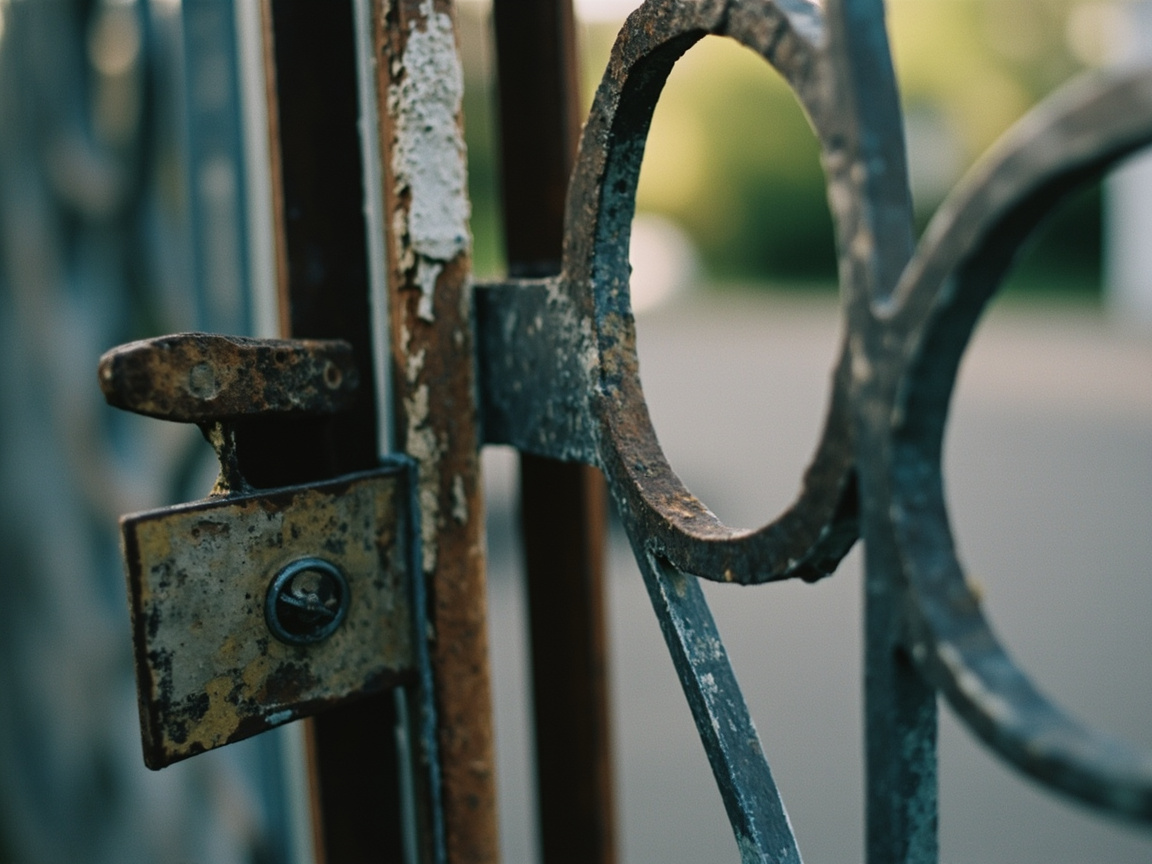
Gate openers most often fail due to misaligned photo-eye sensors, drained or corroded backup batteries, worn drive chains or belts, water-damaged control boards, and remote transmitters that lose their programming. Wind, debris, and general age also put strain on the motor itself. Most of these issues first show up as slow, inconsistent, or unresponsive gate movement.
Here's a closer look at each:
Sensor misalignment. Safety sensors (photo-eyes) sit at the base of the gate to prevent it from closing on a car or person. Even a slight bump — from a landscaping crew, a stray cart, or normal settling — can knock them out of alignment, which often causes the gate to refuse to close or reverse unpredictably.
Battery and power issues. Many community gates run on battery backup so they still operate during a power outage. Over time, those batteries corrode or lose their charge capacity, and the gate becomes sluggish or stops responding entirely once grid power drops.
Worn mechanical components. Chains, belts, hinges, and rollers all wear down with repeated daily use across hundreds of entries. A gate that strains, sticks, or makes new noises is usually telling you a mechanical part needs attention before it fails completely.
Control board and wiring damage. Atlanta's heat, humidity, and seasonal storms are tough on exposed control boards and underground wiring. Moisture intrusion is one of the more common culprits behind a gate that works sometimes and not others.
Remote and keypad programming loss. Power surges, battery swaps, or a board reset can wipe stored codes and remote frequencies, leaving residents locked out even though the gate itself is mechanically fine.
Top 3 Types of Residential Gate Access Control Systems
Not every HOA uses the same setup, and the repair path depends heavily on which type of community gate systems your neighborhood has in place.
1. Keypad and Call Box Entry
Residents and visitors enter a PIN code, or press a button to ring a resident's phone for remote entry. These systems are straightforward to maintain but depend heavily on a working keypad, a stable phone or cellular connection, and a control board that hasn't lost its programming.
2. Remote/Transponder Systems
Each household gets a clicker or windshield-mounted transponder that signals the gate to open. This is the most common setup for residential gate access control systems because it's fast for residents — but it also means every lost or dying remote is a potential support call for your management company.
3. Card and Fob Readers
Residents tap or swipe a credential at a reader mounted near the gate. These systems integrate well with broader community access control — think pool gates, clubhouse doors, and parking areas all tied to the same credential. If your HOA is considering this kind of integrated setup, it's worth reading up on why access control is important before committing to a system-wide rollout.
Community Gate Opener Remotes: Troubleshooting Lost or Malfunctioning Clickers
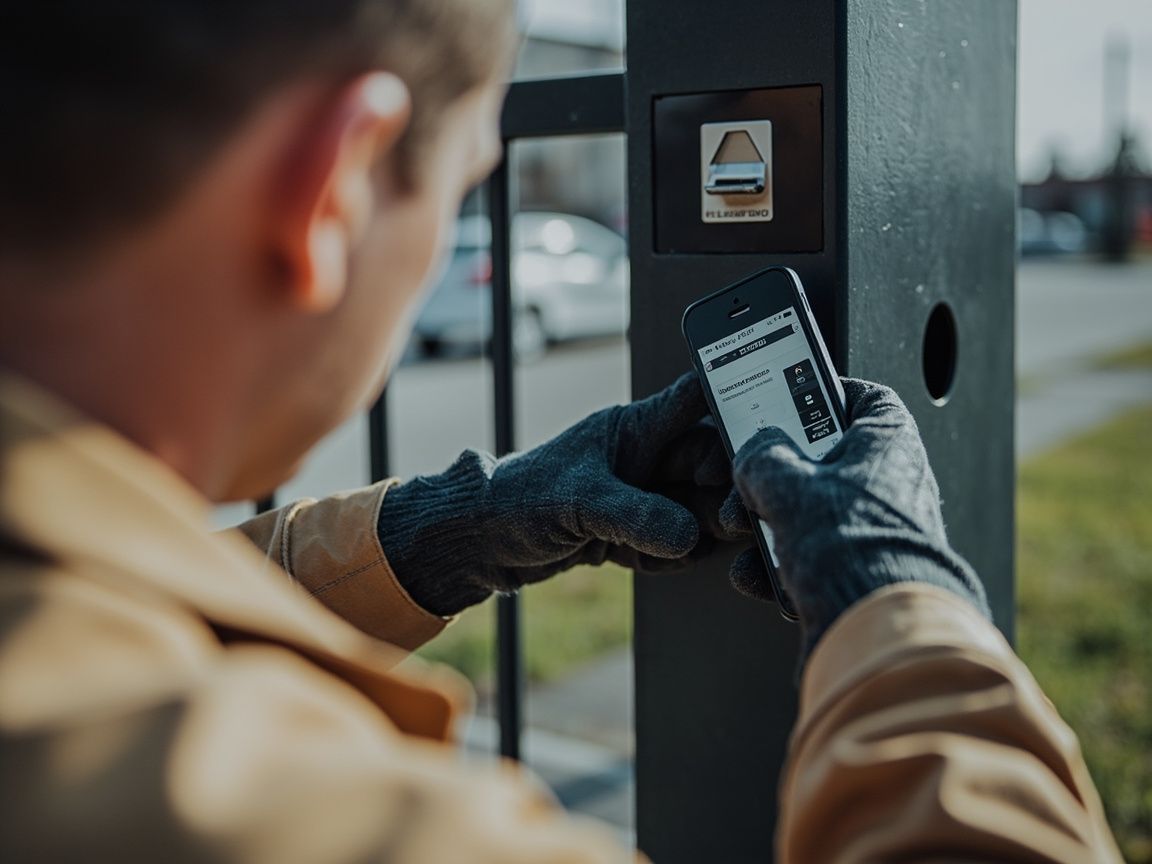
Before assuming the entire gate system is down, rule out the simplest explanation: the remote itself. A dead battery, a cracked circuit board, or a remote that's simply fallen out of range of the gate's receiver can look exactly like a system-wide outage to a frustrated resident.
A few quick checks:
- Swap the battery and test again — this resolves a large share of "my remote stopped working" calls
- Try a second, known-working remote on the same gate to confirm whether the problem is the clicker or the gate itself
- Check whether the resident's remote is still programmed into the system (programming can be wiped during resets or power surges)
- Inspect the remote for physical damage, especially if it's been dropped or left in a hot car
If multiple residents report dead remotes around the same time, that points to a system-side issue — likely a programming wipe or receiver failure — rather than a coincidence of several remotes failing at once.
Stuck Open vs. Stuck Closed: What to Do in the First Few Minutes
The right emergency response depends entirely on which way the gate failed.
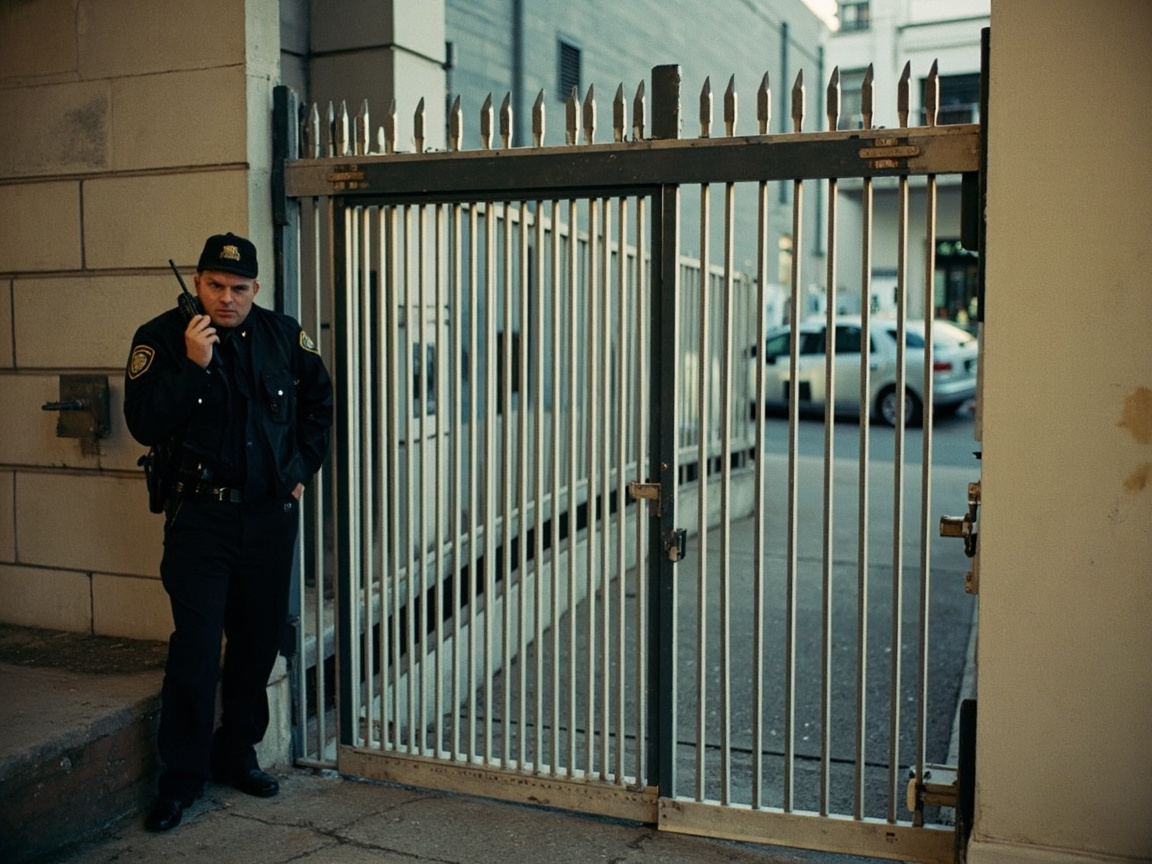
If the gate is stuck open: This is primarily a security issue. Anyone can drive or walk in unchecked. Notify your management company immediately, and if the community has on-site security or a courtesy officer, have them monitor the entrance until a technician arrives.
If the gate is stuck closed: This is an access and life-safety issue. Residents can't get in or out, and emergency vehicles may be blocked. Most gate operators have a manual mechanical release (often a key-operated disconnect near the motor) that lets you swing or slide the gate open by hand. Secure it in the open position with a cone, barrier, or temporary lock-out until repairs are complete — never leave it swinging freely where it could roll or close on a vehicle.
In either scenario, document when the failure started and any error lights or sounds from the control box. That information speeds up diagnosis once a technician is on site.
Repair vs. Replace: When to Fix the Existing System and When to Upgrade
Not every gate problem calls for a full system replacement, but some do. As a general rule:
| Situation | Usually Repairable | Consider Upgrading |
|---|---|---|
| Single sensor or remote failure | ✓ | |
| Battery or backup power issue | ✓ | |
| Gate motor is 10+ years old and failing repeatedly | ✓ | |
| Control board has flooded or burned out more than once | ✓ | |
| HOA wants to add video intercom or integrate pool/clubhouse access | ✓ | |
| Replacement parts for the existing brand are discontinued | ✓ |
A system that's failed once is a repair. A system that's failed three times this year, or one running on parts the manufacturer no longer supports, is usually a sign it's time to talk about upgrading rather than patching again. For HOAs weighing a broader access overhaul — tying the gate into building entry, resident fobs, or visitor management — our page on door access control covers how these systems typically fit together.
Finding a Trustworthy HOA Gate Access Repair Provider
Because a malfunctioning gate affects every resident at once, HOA boards and property managers need a provider who responds quickly and communicates clearly — not just one with the lowest quote. A few things worth checking before you commit:
- Read recent reviews, not just the overall star rating. Look specifically for mentions of response time on emergency calls and whether the technician explained the repair clearly.
- Call before you need them. A quick phone call to ask about their typical response window for HOA and gated community work tells you a lot about how they'll handle a real emergency.
- Ask about experience with your specific system. Gate operators, keypads, and intercoms vary by manufacturer, and a tech unfamiliar with your setup may need extra time to diagnose the issue.
- Confirm they handle the electronic side, not just the gate hardware. Many gate failures trace back to control boards, wiring, remotes, or keypad programming rather than the physical gate arm itself.
Crown Locksmith works with HOA boards and property managers across the Atlanta area — including Brookhaven, Chamblee, Tucker, Norcross, Dunwoody, Smyrna, Decatur, Stone Mountain, Stockbridge, and Jonesboro — on the access control components tied into community gates: keypads, card and fob readers, electronic locks, and intercom entry hardware. If your gate motor itself needs mechanical or heavy electrical service, we'll help you figure out exactly what's wrong and point you toward the right fix, even if that means coordinating with a gate motor specialist for that part of the job.
Keeping Your Community Gate System Running Smoothly
A few habits go a long way toward avoiding emergency calls in the first place:
- Schedule a seasonal check of sensors, batteries, and remote programming — especially before and after Atlanta's storm season
- Keep a written log of past repairs so patterns (like repeat sensor issues) are easy to spot
- Make sure your management company has a clear manual-release procedure posted or on file for emergencies
- Replace remotes and update credentials promptly when residents move out, rather than letting old codes linger
Get Ahead of Your Next Gate Repair
A failing HOA gate access system is rarely convenient, but it doesn't have to turn into a full-day crisis for your board or your residents. Knowing the common failure points — sensors, batteries, worn mechanical parts, and lost programming — makes it much easier to triage the problem the moment it shows up.
If your community's keypad, card reader, intercom, or electronic lock hardware needs a closer look, reach out to Crown Locksmith and we'll help you figure out what's going on and what it'll take to get your gate back to reliable, day-to-day operation.